


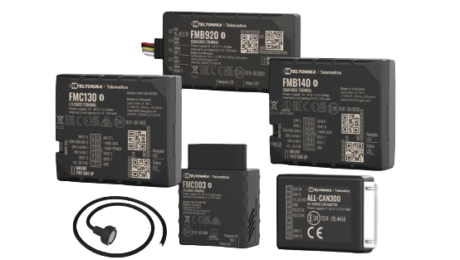
At Intellsys Ltd, we are committed to delivering the most reliable and advanced GPS tracking and fleet management solutions in Cyprus. After years of testing, evaluating, and integrating different telematics technologies, we made a strategic decision: We work exclusively with Teltonika GPS trackers.
Teltonika is a global leader in telematics hardware, known for its durability, precision, and innovation. Their devices are trusted by millions of businesses worldwide — and they are the perfect match for the demanding conditions of Cyprus fleets.
Who Is Teltonika?
Teltonika Telematics is a European manufacturer specializing in GPS trackers, vehicle telematics, and IoT solutions. With over 25 years of experience, Teltonika has built a reputation for:
- High‑quality engineering
- Reliable performance
- Long‑term durability
- Fast connectivity
- Advanced GNSS/GPS tracking
- Wide compatibility with vehicles and CAN systems
Their devices are used in logistics, delivery fleets, construction, rental companies, and service vehicles — exactly the industries Intellsys supports in Cyprus.
Why Intellsys Chooses Teltonika Products
We rely on Teltonika because their trackers offer:
✔ Ultra‑accurate GPS/GNSS tracking
Perfect for real‑time fleet visibility across Cyprus.
✔ Advanced driver behavior monitoring
Detect speeding, harsh braking, cornering, idling, and more.
✔ Fuel monitoring & CAN data reading
Essential for reducing fuel costs and preventing fuel theft.
✔ Easy installation (OBD, wired, CANBUS)
Fast deployment for any fleet size.
✔ Rugged design for Cyprus heat & conditions
Teltonika devices are built to last.
✔ Affordable and scalable
Ideal for small businesses and large enterprises.
Main Categories of Teltonika GPS Trackers
Teltonika offers a wide range of devices, and Intellsys integrates the most reliable categories:
1. Wired GPS Trackers (Professional Series)
For permanent installation and advanced telematics. Perfect for logistics, delivery, and heavy vehicles.
2. OBD Plug‑and‑Play Trackers
Quick installation, ideal for rental fleets and service vehicles.
3. CANBUS Trackers
Extract deep vehicle data: fuel, RPM, mileage, engine hours, DTC codes.
4. Waterproof / Rugged Trackers
Designed for construction machinery and harsh environments.
Most Wanted Teltonika Models in Cyprus (Intellsys Recommended)
These are the best‑selling and most reliable Teltonika GPS trackers we deploy for our clients:
🔹 FMB130 / FMC130
The most versatile wired tracker.
- Driver behavior
- Fuel monitoring
- CAN data
- Perfect for fleets of all sizes
🔹 FMB920 / FMC920
Compact, affordable, and extremely reliable.
- Ideal for cars, vans, and motorcycles
- Excellent GPS accuracy
- Low power consumption
🔹 FMC880
A powerful 4G LTE tracker with advanced features.
- Great for logistics and delivery fleets
- Supports BLE sensors
🔹 FMC003 / FMB003
OBD plug‑and‑play trackers.
- Instant installation
- Reads OBD data
- Perfect for rental fleets
🔹 FMB020
Ultra‑compact OBD tracker.
- Affordable
- Fast deployment
- Great for small fleets
How Teltonika Trackers Help Companies in Cyprus
Businesses in Cyprus benefit from Teltonika GPS trackers through:
✔ Lower fuel costs
Track consumption, detect idling, prevent fuel theft.
✔ Improved driver safety
Monitor behavior and reduce accidents.
✔ Better route planning
Optimize routes and reduce delays.
✔ Higher productivity
Track job completion times and vehicle usage.
✔ Theft prevention
Real‑time alerts, geofencing, and immobilizer options.
✔ Full fleet visibility
Know where every vehicle is — anytime.
Conclusion
At Intellsys, we choose Teltonika because their GPS trackers deliver unmatched reliability, accuracy, and value. Whether you manage a small fleet or a large enterprise, Teltonika devices combined with Intellsys software provide the most complete telematics solution in Cyprus.
Useful Links

Introduction
Asset Tracking Cyprus is becoming increasingly important for businesses that manage valuable equipment, tools, machinery, or mobile assets. Whether you operate in logistics, construction, transportation, or field services, knowing the exact location and status of your assets is essential for reducing losses and improving operational efficiency. Additionally, modern asset tracking systems provide real‑time visibility, helping companies protect their investments and streamline daily operations.

What Is Asset Tracking?
Asset tracking refers to the use of GPS devices, RFID tags, or IoT sensors to monitor the location, movement, and status of physical assets. Furthermore, these systems collect real‑time data and send it to a central dashboard, allowing businesses to track equipment, tools, containers, trailers, and other valuable items with ease. As a result, companies gain full visibility and control over their assets at all times.
Why Asset Tracking Matters in Cyprus
Cyprus has a wide range of industries that rely heavily on equipment and mobile assets. Because of this, asset theft, misplacement, and inefficient utilisation can lead to significant financial losses. Moreover, businesses often struggle to keep track of tools and machinery across multiple job sites, warehouses, or vehicles.
Asset tracking systems solve these challenges by providing accurate, real‑time information that helps businesses operate more efficiently and securely.
Asset Tracking Cyprus – Key Benefits
- Real‑time location tracking for valuable assets
- Reduced theft, loss, and unauthorised use
- Improved asset utilisation and productivity
- Lower operational costs through better planning
- Enhanced accountability and transparency
- Accurate reporting and asset history
How Asset Tracking Systems Work
Asset tracking systems use small GPS or IoT devices attached to equipment or tools. These devices send real‑time data to a cloud platform, allowing managers to monitor asset movement, usage, and status. Additionally, automated alerts notify you of suspicious activity, such as unauthorised movement or unexpected downtime.
Key features include:
- Real‑time GPS tracking for mobile assets
- Geofencing alerts for restricted areas
- Usage monitoring to track working hours
- Maintenance reminders to prevent breakdowns
- Asset history logs for full transparency
- Mobile app access for on‑the‑go monitoring
Industries That Benefit
Asset tracking is valuable for many sectors in Cyprus, including:
- Construction and heavy machinery
- Logistics and transportation
- Warehousing and distribution
- Field service and maintenance companies
- Rental equipment businesses
- Municipal and government organisations
Results & Statistics
Businesses using asset tracking systems typically experience:
- Up to 40% reduction in asset loss
- Up to 30% improvement in asset utilisation
- Up to 25% lower maintenance costs
- Faster response times and improved productivity
How Asset Tracking Improves Operations
Asset tracking provides valuable insights that help businesses make smarter decisions. For example, managers can identify underused equipment, optimise asset allocation, and reduce unnecessary purchases. Additionally, real‑time alerts help prevent theft and ensure that assets remain within authorised areas.
Other operational benefits include:
- Better planning and scheduling
- Reduced downtime
- Improved safety and compliance
- Accurate inventory management
- Enhanced customer service
How to Choose the Right Asset Tracking System
When selecting an asset tracking solution in Cyprus, consider the following:
- Type of assets you need to track
- Battery life and durability of tracking devices
- Accuracy and reliability of GPS data
- Ease of use and dashboard design
- Mobile app availability
- Local support and installation services
- Affordable pricing and flexible plans
Conclusion
Investing in asset tracking solutions in Cyprus is one of the most effective ways to protect valuable equipment, reduce losses, and improve operational efficiency. With real‑time visibility and advanced analytics, your business can operate more securely and confidently.
Looking for the Best Asset Tracking Solutions in Cyprus?
Contact us today to learn how our advanced asset tracking systems can help you protect your equipment and optimise your operations.
Useful Links

Introduction
Fuel Monitoring in Cyprus is becoming essential for businesses operating fleets of vehicles. Additionally, with rising fuel prices and increasing cases of fuel theft, companies across Cyprus are turning to advanced monitoring systems to reduce costs and improve operational efficiency. This guide explains how fuel monitoring works and why it is a critical tool for modern fleet management.
What Is Fuel Monitoring in Cyprus?
Fuel monitoring refers to the use of sensors and telematics technology to track fuel levels, consumption, and refuelling events in real time. Furthermore, these systems help businesses detect irregularities, prevent theft, and optimise fuel usage across their entire fleet.
Why Fuel Monitoring Matters in Cyprus
Fuel costs represent one of the largest expenses for companies operating commercial vehicles. As a result, even small inefficiencies or theft incidents can significantly impact profitability. Consequently, fuel monitoring systems provide transparency, accountability, and control over every litre consumed.
Fuel Monitoring in Cyprus – Key Benefits
- Prevent fuel theft and unauthorised refuelling
- Reduce fuel waste and improve efficiency
- Monitor real‑time fuel levels and consumption
- Receive instant alerts for suspicious activity
- Lower operational costs and increase profitability
- Improve driver accountability and behaviour
How It Works
Modern fuel monitoring systems use high‑precision sensors installed in the fuel tank. Additionally, these sensors transmit real‑time data to a central dashboard, allowing fleet managers to track fuel usage and detect anomalies instantly.
For example, key features include:
- Real‑time fuel level tracking with instant updates
- Automatic alerts for sudden drops or theft
- Refuelling event reports with time and location
- Fuel consumption analytics for each vehicle
- Integration with GPS tracking for full visibility
Industries That Benefit
Fuel monitoring is valuable for many sectors in Cyprus, including:
- Logistics and delivery companies
- Construction and heavy equipment fleets
- Taxi and transport services
- Field service and maintenance companies
- Waste management and municipal fleets
- Agricultural and rural transport operations
Results & Statistics
Businesses using fuel monitoring systems typically experience:
- Up to 30% reduction in fuel theft
- Up to 20% lower fuel consumption
- Up to 25% fewer refuelling discrepancies
- Improved driver accountability and route efficiency
How to Choose the Right System
When selecting a fuel monitoring solution in Cyprus, consider the following:
- Accuracy and reliability of fuel sensors
- Real‑time alerts and reporting features
- Compatibility with your vehicle types
- Dashboard and mobile app usability
- Local support and installation services
- Affordable and scalable pricing
Conclusion
Investing in advanced fuel monitoring solutions in Cyprus is one of the most effective ways to reduce costs, prevent theft, and improve fleet performance. With the right system in place, your business can operate more efficiently and confidently.
Looking for the Best Fuel Monitoring Solutions in Cyprus?
Contact us today to learn how our advanced systems can protect your fleet and reduce fuel expenses.
Useful Links

Introduction
Temperature Monitoring for Refrigerated Trucks Cyprus is becoming essential for businesses transporting perishable goods. Additionally, with strict regulations, rising customer expectations, and the need to prevent spoilage, companies across Cyprus are adopting advanced monitoring systems to ensure product safety and maintain cold‑chain integrity.
What Is Temperature Monitoring for Refrigerated Trucks Cyprus?
Temperature monitoring refers to the use of sensors and telematics technology to track and record the internal temperature of refrigerated trucks in real time. Furthermore, these systems alert fleet managers when temperatures rise above safe levels, helping prevent product loss and ensuring compliance with food safety standards.
Why Temperature Monitoring Matters in Cyprus
Cyprus experiences high temperatures for most of the year, making cold‑chain management especially challenging. As a result, businesses transporting food, pharmaceuticals, and other sensitive goods must ensure that refrigerated trucks maintain stable temperatures throughout the journey. Consequently, reliable monitoring systems help avoid spoilage, financial loss, and customer complaints.
Temperature Monitoring for Refrigerated Trucks Cyprus – Key Benefits
- Prevent spoilage and product loss
- Ensure compliance with food safety regulations
- Receive instant alerts for temperature deviations
- Improve customer satisfaction with reliable deliveries
- Reduce insurance claims and operational risks
- Maintain full cold‑chain transparency
How It Works
Modern temperature monitoring systems use wireless sensors installed inside the refrigerated compartment. Additionally, these sensors transmit real‑time data to a central dashboard, allowing managers to track conditions at any moment.
For example, key features include:
- Real‑time temperature tracking with instant updates
- Automatic alerts for temperature fluctuations
- Historical temperature reports for compliance
- Remote control of cooling units (on supported models)
- Mobile app access for on‑the‑go monitoring
Industries That Benefit
Temperature monitoring is essential for many sectors in Cyprus, including:
- Food distribution and supermarkets
- Pharmaceutical and medical supply companies
- Seafood and meat transporters
- Dairy and frozen goods suppliers
- Catering and hospitality services
- Logistics and delivery companies
Results & Statistics
Businesses using temperature monitoring systems typically experience:
- Up to 40% reduction in spoilage
- Up to 25% fewer customer complaints
- Up to 30% improved delivery reliability
- Better compliance with EU food safety standards
How to Choose the Right System
When selecting a temperature monitoring solution in Cyprus, consider the following:
- Accuracy and reliability of sensors
- Real‑time alerts and reporting features
- Compatibility with your refrigerated units
- Mobile app and dashboard usability
- Local support and installation services
- Affordable and scalable pricing
Conclusion
Investing in cold‑chain monitoring solutions in Cyprus is one of the most effective ways to protect your goods, reduce operational risks, and ensure customer satisfaction. With the right system in place, your business can maintain product quality from warehouse to delivery.
Looking for the Best Temperature Monitoring Solutions in Cyprus?
Contact us today to learn how our advanced systems can protect your refrigerated fleet and ensure safe deliveries.
Useful Links

Introduction
Fleet Safety Management Cyprus is becoming essential for companies that rely on vehicles every day. Additionally, with rising fuel costs, increased road traffic, and growing safety concerns, businesses across Limassol, Nicosia, Larnaca, and Paphos are turning to modern telematics solutions to protect their drivers and reduce operational risks. This guide explains how driver behaviour monitoring and advanced fleet safety tools can transform your operations and improve long‑term performance.
What Is Fleet Safety Management Cyprus?
Fleet safety management refers to the systems and processes used to ensure that company vehicles and drivers operate safely at all times. Furthermore, it includes real‑time GPS tracking, driver behaviour monitoring, vehicle diagnostics, route optimisation, and automated alerts. These tools help businesses identify risks early, reduce accidents, and maintain a safer, more efficient fleet.
Why Fleet Safety Management in Cyprus Matters
Cyprus has a unique mix of busy city roads, narrow village streets, and long intercity routes. As a result, these conditions make fleet safety a top priority for companies operating vehicles daily. With increasing demand for delivery services, construction projects, and field operations, driver behaviour monitoring in Cyprus has become a critical tool for reducing risk and improving accountability.
Fleet Safety Management Cyprus – Key Benefits
- Reduce accidents and improve driver safety
- Lower insurance and operational costs
- Improve fuel efficiency by eliminating harsh driving habits
- Extend vehicle lifespan through safer driving
- Increase customer satisfaction with reliable service
- Strengthen company reputation and compliance
How Fleet Safety Management Cyprus Works
Modern fleet safety systems use telematics to collect and analyse real‑time data. Additionally, these tools provide insights that help managers make informed decisions.
For example, key features include:
- Real‑time GPS tracking for full visibility
- Driver scorecards that rank performance
- Instant alerts for speeding, harsh braking, and rapid acceleration
- Trip history reports for analysing routes and behaviour
- Vehicle diagnostics to prevent breakdowns
- Mobile app access for managers and drivers
Industries That Benefit
Fleet safety management is valuable for many sectors in Cyprus, including:
- Logistics and delivery companies
- Construction and heavy equipment fleets
- Taxi and transport services
- Security and patrol vehicles
- Car rental agencies
- Field service and maintenance companies
Results & Statistics
Businesses that implement fleet safety systems typically experience:
- Up to 30% fewer accidents
- Up to 20% fuel savings
- Up to 40% lower maintenance costs
- Improved driver accountability and performance
Consequently, these improvements lead to safer roads and more efficient operations.
How to Choose the Right System
When selecting a fleet safety solution in Cyprus, consider the following:
- Local support and installation
- Real‑time monitoring capabilities
- Accurate driver behaviour analytics
- Easy‑to‑use dashboard
- Mobile app availability
- Integration with existing systems
- Affordable and scalable pricing
Choosing the right provider ensures long‑term reliability and better results.
Conclusion
Investing in fleet safety solutions in Cyprus is one of the most effective ways to protect your drivers, reduce operational costs, and improve overall fleet performance. With the right tools and monitoring systems, your business can operate more safely, efficiently, and confidently.
Looking for the Best GPS Tracking Solutions in Cyprus?
Contact us today to learn how our advanced systems can protect your vehicles and improve your operations.
Useful Links

Discover the Power of GPS Trackers in Cyprus
Unveiling the Power of GPS Trackers in Cyprus: Revolutionizing Personal and Commercial Security
GPS trackers in Cyprus have become essential for businesses that want to monitor vehicles, improve efficiency, and protect their fleet. At INTELLSYS, we provide advanced GPS tracking systems with real‑time data, smart alerts, and powerful reporting tools designed for companies of all sizes.
The Evolution of GPS Trackers in Cyprus
Teltonika GPS trackers in Cyprus, or Global Positioning System, has been a game-changer since its inception. Originally designed for military use, GPS technology has found its way into various sectors, transforming the way we navigate and track assets. Modern GPS trackers are compact, highly accurate, and easy to use, making them indispensable in today’s digital age.
Personal Use: Keeping Loved Ones Safe
One of the most significant advantages of GPS trackers is their ability to keep loved ones safe. Whether it’s ensuring the safety of children, elderly family members, or pets, GPS trackers provide real-time location data, allowing for immediate responses in case of emergencies.
For parents, GPS trackers can be a lifeline, providing peace of mind by monitoring their children’s whereabouts. Devices designed specifically for children often come with additional features like emergency SOS buttons, geofencing, and two-way communication, ensuring a comprehensive safety net.
Enhancing Pet Safety
Pet owners can also benefit from Teltonika GPS trackers. These devices can be attached to collars, offering real-time tracking and alerts if a pet ventures out of a designated safe zone. This ensures that pets can be quickly located and brought back home, reducing the risk of loss or theft.
Commercial Applications: Optimizing Business Operations
In the commercial sector, Teltonika GPS trackers are invaluable tools for businesses of all sizes. Fleet management, for instance, is significantly enhanced through the use of GPS technology. Companies can monitor the real-time location of vehicles, ensuring efficient route planning, reducing fuel consumption, and improving overall productivity.
GPS trackers also play a critical role in asset management. Businesses can keep track of valuable equipment and machinery, preventing theft and ensuring optimal utilization. This not only enhances security but also contributes to cost savings and operational efficiency.
Improving Delivery Services
The rise of e-commerce has brought about the need for efficient delivery services. GPS trackers enable companies to provide accurate delivery times, enhance customer satisfaction, and streamline logistics. With real-time tracking, businesses can promptly address any issues that arise during transit, ensuring a seamless delivery experience.
Environmental Monitoring and Wildlife Conservation
Beyond personal and commercial use, Teltonika GPS trackers have found applications in environmental monitoring and wildlife conservation. Researchers and conservationists use these devices to track the movements of animals, study migration patterns, and gather data that aids in the preservation of endangered species. This invaluable information contributes to our understanding of wildlife behavior and helps develop strategies to protect fragile ecosystems.
The Future of GPS Trackers
As technology continues to advance, the capabilities of GPS trackers are set to expand. Integration with other technologies, such as IoT (Internet of Things) and AI (Artificial Intelligence), will further enhance their functionality. For instance, predictive analytics powered by AI can provide insights into patterns and trends, allowing for proactive measures in various applications.
Additionally, the development of more compact and energy-efficient devices will make GPS trackers even more accessible and versatile. The future promises innovations that will further revolutionize the way we stay connected and secure.
Choosing the Right GPS Tracker in Cyprus
With a plethora of options available, selecting the right GPS tracker can be overwhelming. Factors to consider include the intended use, features, battery life, and ease of use. It’s essential to choose a device that aligns with specific needs, whether for personal safety, pet tracking, or business operations.
Conclusion
In conclusion, Teltonika GPS trackers in Cyprus, have become indispensable tools in our increasingly connected world. Their applications span across personal safety, business operations, environmental monitoring, and beyond. By providing real-time location data and enhancing security, GPS trackers offer peace of mind and operational efficiency. As technology continues to evolve, these devices will undoubtedly play an even more critical role in our daily lives.
Useful Links

Introduction
Driver Behaviour Monitoring Cyprus is becoming essential for companies that rely on vehicle fleets. With rising fuel costs, increased road risks, and the need for safer operations, businesses across Cyprus are turning to advanced telematics systems to monitor and improve driver performance. Additionally, these systems help reduce accidents, lower maintenance costs, and enhance overall fleet efficiency.
What Is Driver Behaviour Monitoring?
Driver behaviour monitoring uses telematics devices and sensors to track how drivers operate their vehicles. Furthermore, the system records key driving habits such as speeding, harsh braking, rapid acceleration, idling, and cornering. As a result, fleet managers gain valuable insights that help improve safety and reduce operational costs.
Why Driver Behaviour Monitoring Matters in Cyprus
Cyprus has a busy road network with a high number of commercial vehicles. Because of this, unsafe driving can lead to accidents, increased insurance costs, and unnecessary vehicle wear. Moreover, poor driving habits significantly increase fuel consumption, which directly affects a company’s profitability.
Driver behaviour monitoring provides the visibility needed to address these challenges effectively.
Driver Behaviour Monitoring Cyprus – Key Benefits
- Improved driver safety and reduced accident risk
- Lower fuel consumption and operational costs
- Better vehicle health through reduced wear and tear
- Enhanced accountability and performance tracking
- Real‑time alerts for dangerous driving events
- Increased customer satisfaction through reliable service
How Driver Behaviour Monitoring Works
Driver behaviour monitoring systems use GPS devices and onboard sensors installed in each vehicle. These devices collect real‑time data and send it to a central dashboard, allowing fleet managers to monitor driving habits instantly. Additionally, automated alerts notify you of unsafe behaviour, enabling quick corrective action.
Key features include:
- Speed monitoring with real‑time alerts
- Harsh braking detection to identify risky behaviour
- Rapid acceleration tracking to reduce fuel waste
- Idling reports to improve efficiency
- Driver scoring based on performance
- Route analysis to optimise travel time
Industries That Benefit
Driver behaviour monitoring is valuable for many sectors in Cyprus, including:
- Logistics and transportation
- Delivery and courier services
- Construction and heavy equipment
- Taxi and passenger transport
- Retail and distribution
- Service and maintenance companies
Results & Statistics
Businesses using driver behaviour monitoring systems typically experience:
- Up to 40% reduction in accidents
- Up to 20% lower fuel consumption
- Up to 25% fewer maintenance issues
- Improved driver accountability and performance
How to Improve Driver Behaviour
Improving driver behaviour requires a combination of technology, training, and consistent feedback. For example, telematics data can be used to identify risky habits and provide targeted coaching. Additionally, driver scoring systems encourage healthy competition and reward safe driving.
Effective strategies include:
- Regular performance reviews
- Driver training and safety workshops
- Incentives for safe driving
- Clear company driving policies
- Real‑time alerts for immediate correction
How to Choose the Right Driver Behaviour Monitoring System
When selecting a driver behaviour monitoring solution in Cyprus, consider the following:
- Accuracy and reliability of telematics data
- Ease of use and dashboard design
- Mobile app availability
- Local support and installation services
- Integration with GPS tracking and fuel monitoring
- Affordable pricing and flexible plans
Conclusion
Investing in driver behaviour monitoring in Cyprus is one of the most effective ways to improve safety, reduce costs, and enhance fleet performance. With real‑time insights and advanced analytics, your business can operate more efficiently and confidently.
Looking for the Best Driver Behaviour Monitoring Solutions in Cyprus?
Contact us today to learn how our advanced systems can help you improve driver performance and protect your fleet.
Useful Links

Introduction
GPS Tracking for Businesses Cyprus has become essential for companies that rely on vehicles, equipment, or mobile assets. With rising fuel costs, increased competition, and the need for real‑time visibility, businesses across Cyprus are adopting GPS tracking systems to improve efficiency and reduce operational risks. Additionally, modern GPS solutions help companies monitor vehicles, optimise routes, and enhance driver performance.
What Is GPS Tracking for Businesses?
GPS tracking for businesses uses satellite technology and telematics devices to monitor the real‑time location and activity of vehicles or assets. Furthermore, these systems provide detailed information such as speed, route history, idling time, fuel consumption, and driver behaviour. As a result, companies gain full visibility and control over their operations.
Why GPS Tracking Matters for Businesses in Cyprus
Cyprus has a diverse business environment, including logistics, delivery services, construction, retail, and field service companies. Because of this, efficient fleet and asset management is crucial for maintaining productivity and ensuring timely deliveries. Moreover, GPS tracking helps prevent unauthorised vehicle use, reduces fuel waste, and improves overall safety.
GPS Tracking for Businesses Cyprus – Key Benefits
- Real‑time vehicle and asset location tracking
- Reduced fuel consumption and operational costs
- Improved driver behaviour and road safety
- Enhanced route planning and delivery accuracy
- Lower maintenance expenses through monitoring
- Increased fleet visibility and accountability
How GPS Tracking Systems Work
GPS tracking systems use small devices installed in vehicles or attached to assets. These devices collect data and send it to a central dashboard, allowing managers to monitor activity in real time. Additionally, automated alerts notify you of speeding, harsh braking, idling, or unauthorised movement.
Key features include:
- Live GPS tracking with accurate location updates
- Route history and playback
- Driver behaviour monitoring to improve safety
- Geofencing alerts for restricted areas
- Fuel monitoring to reduce waste
- Mobile app access for on‑the‑go monitoring
Industries That Benefit from GPS Tracking
GPS tracking is widely used across many sectors in Cyprus, including:
- Logistics and transportation
- Delivery and courier services
- Construction and heavy equipment
- Taxi and passenger transport
- Retail and distribution
- Service and maintenance companies
Results & Statistics
Businesses using GPS tracking systems typically experience:
- Up to 20% reduction in fuel costs
- Up to 30% improvement in driver behaviour
- Up to 25% faster delivery times
- Better route planning and fewer delays
How GPS Tracking Improves Business Operations
GPS tracking provides valuable insights that help businesses make smarter decisions. For example, managers can identify inefficient routes, reduce idling, and improve delivery accuracy. Additionally, real‑time alerts help prevent theft and ensure that vehicles and assets remain within authorised areas.
Other operational benefits include:
- Better planning and scheduling
- Reduced downtime
- Improved safety and compliance
- Accurate reporting and analytics
- Enhanced customer satisfaction
How to Choose the Right GPS Tracking System
When selecting a GPS tracking solution for your business in Cyprus, consider the following:
- Accuracy and reliability of GPS data
- Ease of use and dashboard design
- Mobile app availability
- Local support and installation services
- Integration with fuel monitoring and driver behaviour tools
- Affordable pricing and flexible plans
Conclusion
Investing in GPS tracking for businesses in Cyprus is one of the most effective ways to improve efficiency, reduce costs, and enhance safety. With real‑time insights and advanced analytics, your business can operate more efficiently and confidently.
Looking for the Best GPS Tracking Solutions in Cyprus?
Contact us today to learn how our advanced GPS tracking systems can help your business optimise operations and improve performance.
Useful Links
Introduction
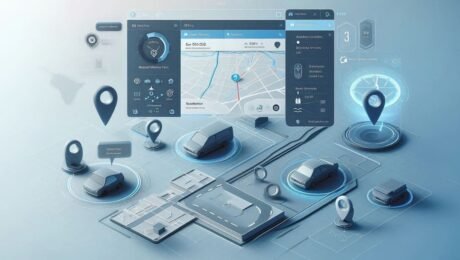
Telematics Cyprus is transforming the way businesses manage their vehicles, assets, and daily operations. With rising fuel costs, increased competition, and the need for real‑time visibility, companies across Cyprus are adopting telematics systems to improve efficiency and reduce operational risks. Additionally, modern telematics solutions combine GPS tracking, data analytics, and onboard sensors to provide complete insight into fleet performance.
What Is Telematics?
Telematics is the technology that combines telecommunications, GPS tracking, and data analytics to monitor the location, movement, and performance of vehicles and assets. Furthermore, telematics systems collect real‑time data such as speed, fuel usage, driver behaviour, engine health, and route history. As a result, businesses gain full visibility and control over their fleet operations.
Why Telematics Matters in Cyprus
Cyprus has a diverse business landscape, including logistics, construction, delivery services, retail, and field service companies. Because of this, efficient fleet management is essential for maintaining productivity and ensuring timely operations. Moreover, telematics helps businesses reduce fuel consumption, improve safety, and prevent unauthorised vehicle use.
With telematics, companies in Cyprus can operate more efficiently and make data‑driven decisions that improve long‑term performance.
Telematics Cyprus – Key Benefits
- Real‑time vehicle and asset tracking
- Reduced fuel consumption and operational costs
- Improved driver behaviour and road safety
- Enhanced route planning and delivery accuracy
- Lower maintenance expenses through predictive monitoring
- Increased fleet visibility and accountability
How Telematics Systems Work
Telematics systems use small devices installed in vehicles or attached to assets. These devices collect data and send it to a cloud‑based dashboard, allowing managers to monitor fleet activity in real time. Additionally, automated alerts notify you of speeding, harsh braking, idling, or unauthorised movement.
Key features include:
- Live GPS tracking with accurate location updates
- Driver behaviour monitoring to improve safety
- Fuel monitoring to reduce waste
- Geofencing alerts for restricted areas
- Maintenance reminders to prevent breakdowns
- Mobile app access for on‑the‑go monitoring
Industries That Benefit from Telematics
Telematics is widely used across many sectors in Cyprus, including:
- Logistics and transportation
- Delivery and courier services
- Construction and heavy equipment
- Taxi and passenger transport
- Retail and distribution
- Service and maintenance companies
Results & Statistics
Businesses using telematics systems typically experience:
- Up to 20% reduction in fuel costs
- Up to 30% improvement in driver behaviour
- Up to 25% fewer maintenance issues
- More efficient route planning and faster deliveries
How Telematics Improves Business Operations
Telematics provides valuable insights that help businesses make smarter decisions. For example, managers can identify inefficient routes, reduce idling, and improve delivery accuracy. Additionally, real‑time alerts help prevent theft and ensure that vehicles and assets remain within authorised areas.
Other operational benefits include:
- Better planning and scheduling
- Reduced downtime
- Improved safety and compliance
- Accurate reporting and analytics
- Enhanced customer satisfaction
How to Choose the Right Telematics System
When selecting a telematics solution in Cyprus, consider the following:
- Accuracy and reliability of GPS data
- Ease of use and dashboard design
- Mobile app availability
- Local support and installation services
- Integration with fuel monitoring and driver behaviour tools
- Affordable pricing and flexible plans
Conclusion
Investing in telematics in Cyprus is one of the most effective ways to improve fleet efficiency, reduce costs, and enhance safety. With real‑time insights and advanced analytics, your business can operate more efficiently and confidently.
Looking for the Best Telematics Solutions in Cyprus?
Contact us today to learn how our advanced telematics systems can help your business optimise operations and improve performance.
Useful Links

Optimizing Operations for Success
Fleet management in Cyprus has evolved rapidly over the past few years. From small companies with just a few vehicles to large organizations, municipalities, and service teams, the need for better control, reduced costs, and improved safety has become essential.
This guide explains what fleet management is, how it works, and why more and more businesses in Cyprus rely on it to optimize their operations. In addition, it highlights the key benefits and practical uses of modern fleet management systems.
What Is Fleet Management?
Fleet management is the process of monitoring, controlling, and optimizing a company’s vehicles. A modern fleet management system typically includes:
- Real‑time GPS tracking
- Driver behavior monitoring
- Fuel consumption analysis
- Maintenance scheduling
- Safety and compliance reporting
- Route optimization
In Cyprus, businesses use fleet management to reduce expenses, increase productivity, and protect their assets. As a result, companies gain better visibility and control over daily operations.
Why Fleet Management Matters in Cyprus
The Cypriot market has unique characteristics that make fleet management especially valuable.
1. High fuel costs
Fuel prices in Cyprus are among the highest in the region. Monitoring consumption and preventing misuse can significantly reduce expenses.
2. Short distances but many daily routes
Technicians, delivery drivers, and service teams often complete multiple short trips. Therefore, route optimization becomes extremely important.
3. Vehicle safety and asset protection
Theft, misuse, and accidents can be costly. Real‑time tracking and alerts help prevent incidents.
4. Compliance requirements
Municipal fleets, school buses, and logistics companies must follow strict safety and reporting standards.
How Fleet Management Works in Practice
A complete fleet management solution typically includes:
Real‑Time GPS Tracking
See the exact location of every vehicle at any moment.
Driver Behavior Monitoring
Track harsh braking, speeding, rapid acceleration, and risky driving patterns.
Fuel Monitoring
Detect sudden drops in fuel levels (fuel theft) and identify inefficient driving.
Route Optimization
Find the fastest and most cost‑effective routes for daily operations.
Maintenance Alerts
Receive reminders for service, MOT, oil changes, and scheduled maintenance.
Industries in Cyprus That Benefit From Fleet Management
Fleet management is not only for large companies. In fact, it is widely used by:
- Technical companies & field service teams
- Municipalities & local authorities
- Schools & private bus operators
- Delivery & courier companies
- Construction & heavy equipment operators
- Logistics & transportation companies
- Businesses with company cars
Key Benefits for Cypriot Businesses
Reduce fuel costs by up to 20%
Through monitoring, alerts, and optimized routes.
Improve driver safety and reduce accidents
With behavior scoring and real‑time notifications.
Increase productivity
More appointments, fewer delays, and better route planning.
Full transparency and control
Know who is driving, where they are, and how vehicles are being used.
Protect valuable assets
Anti‑theft alerts and real‑time tracking safeguard your fleet.
How to Choose a Fleet Management Solution in Cyprus
Before selecting a provider, ensure the system includes:
- Real‑time GPS tracking
- Mobile app for drivers and managers
- Fuel monitoring
- Driver behavior analytics
- Route optimization
- Compliance and safety reports
- 24/7 local support in Cyprus
Conclusion
Fleet management in Cyprus is no longer optional. Instead, it has become a critical tool for any business that wants to reduce costs, improve safety, and increase operational efficiency.
Looking for the Best Fleet Management Solutions in Cyprus?
Contact us today to learn how our Fleet Management Solution can protect your fleet and ensure safety.
Useful Links
- Fleet Management Solutions Cyprus
- GPS Tracking Cyprus
- Driver Behaviour Monitoring Cyprus
- Cyprus Road Safety Authority
- 1
- 2